How to Plan
Strategic Social Media Plan for Healthcare Providers
- Consult an expert in medical marketing to enhance your website’s effectiveness for patient attraction and retention.
- Schedule specific hours for collaboration with the marketing expert and assign staff the necessary time to work on your strategy with them.
- Commit to a patient-focused strategy that resonates with your marketing goals. If you haven’t set any goals yet, take the time to create them.
- Engaging their services means committing to a monthly management fee between $3,000 and $10,000. Additionally, you will need to allocate a minimum ad spend of $2,000 directly to social media platforms.
- Their management fees encompass link building and conversion rate optimisation audits, along with a full range of SEO services, even though they do not truly enhance your site’s organic performance.
- They claim your strategy is improved by adding keywords, which are reviewed every 90 days. Yet, it’s important to recognise that keywords play a vital role in digital marketing; they don’t just get bought but evolve alongside the shifting algorithms of search engines.
Maximising Your PPC Ad Spend
What distinguishes online digital marketing for healthcare professionals from traditional medical marketing services?
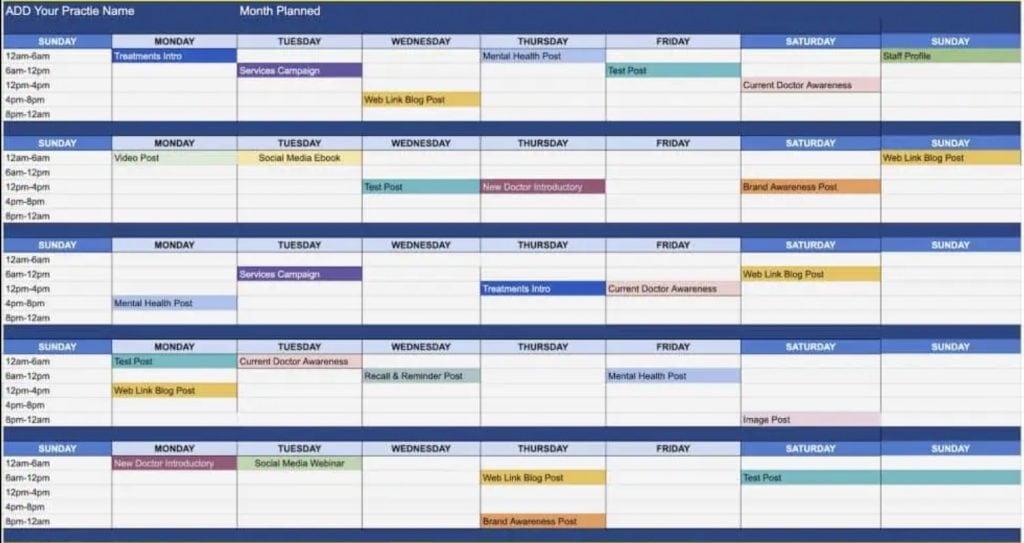
Developing a Social Media Calendar for Healthcare Marketing
Developing a strategic social media calendar is crucial for healthcare professionals seeking to improve their online visibility and engage meaningfully with their audience. A well-structured social media calendar not only organises your content but also aligns your communications with significant health events and public awareness initiatives. By scheduling posts around key dates can amplify the relevance of your messaging and foster deeper connections with your audience. Additionally, incorporating a variety of content types—such as info-graphics, guides, or live Q&A sessions—can enhance engagement levels. As you populate this calendar, consider incorporating feedback loops to assess which types of content resonate most effectively. This iterative process will refine your approach, ensuring that each post serves both educational and relational purposes within the healthcare community
What kind of calendar would be most suitable for my needs?
When selecting a calendar for your healthcare social media strategy, consider a flexible digital format that allows easy updates, sharing across the team and collaboration. You have the option to collaborate with us for a thorough digital content management strategy, or utilise platforms like Google Calendar and SEMRush (https://www.semrush.com/pricing/) which offer user-friendly interfaces that enable individuals to schedule posts, track engagement metrics, and set reminders for significant health awareness dates.
What kind of Posts should I utilise?
Incorporating categories for different content types—such as educational posts, promotional materials, and patient stories—can streamline your planning process. Furthermore, make certain that the calendar is available to your team, promoting collaboration and shared contributions. This methodical approach not only improves consistency but also enables your team to swiftly adjust to changing audience demands and trends.
Components of a Social Media Calendar
- Content Types:
Educational posts, such as infographics and articles, can illuminate complex health topics, fostering understanding among patients. Promotional materials can highlight services and serve as a reminder for upcoming events, while interactive content—like polls or Q&A sessions—encourages real-time engagement. By strategically mixing these content types, healthcare professionals can cater to varying audience preferences, ensuring that their messaging not only informs but also engages and supports their community throughout the year. - Educational Posts:
Share informative content about health topics, treatments, and preventive measures. - Patient Stories:
To meet your obligations on social media, ensure compliance with confidentiality and privacy requirements, adhere to your Board’s Code of Conduct, maintain professional boundaries, communicate respectfully with patients, colleagues, and employers, and avoid presenting false or misleading information, including unsupported advertising claims. For more information please read Social media: How to meet your obligations under the National Law. - FAQs:
Use FAQ to address common concerns and misconceptions to educate your audience. Utilising FAQs is an effective strategy to tackle common concerns and misconceptions within the healthcare community. By addressing frequently asked questions, healthcare professionals can provide clear and accurate information, fostering trust and transparency. This proactive approach not only educates your audience but also encourages patient engagement, as individuals feel their inquiries are valued. Moreover, integrating FAQs into your social media content allows for dynamic interactions, enabling followers to seek further clarification or share their experiences. Ultimately, this method enhances the overall patient experience, positioning your practice as a reliable source of information and support in a complex healthcare landscape. - Promotional Content:
Announcing new services, inviting individuals to events, or introducing team members serves as an excellent method for healthcare professionals to engage their audience effectively. Leveraging social media platforms, you can promote upcoming health days, immunisation drives, or discuss the benefits of or ways to manage a Chronic Disease Management (CDM) plan that benefit the community. Craft captivating posts that include relevant images and clear calls-to-action, asking your audience to participate. Additionally, consistent announcements foster anticipation and excitement, enhancing community involvement. By strategically timing these posts, you can maximise visibility and reach, ultimately strengthening your practice’s presence in the healthcare landscape. - Engagement Posts:
Polls, quizzes, and interactive questions serve as powerful tools to foster engagement within your audience. By crafting thought-provoking polls, you invite followers to share their opinions about your services, provide content ideas on relevant health topics, creating a sense of community and involvement. Quizzes can educate while entertaining, testing knowledge about health issues and encouraging participation. Moreover, open-ended questions prompt followers to express their thoughts and experiences, enhancing the dialogue around healthcare topics. This interactive approach not only builds a more engaged audience but also provides valuable insights into patient perspectives. Ultimately, incorporating these elements into your social media strategy promotes deeper connections and strengthens audience loyalty. - Posting Schedule:
Determining optimal posting times based on audience analytics is essential for maximising engagement and outreach. By analysing data on when your followers are most active, you can strategically schedule posts to reach them at peak times. Utilise analytics tools to track engagement patterns, identifying specific days and hours that generate the highest interaction rates. This approach not only enhances visibility but also increases the likelihood of fostering meaningful conversations. Regularly revisiting and adjusting your posting schedule ensures that your content remains relevant and impactful. Ultimately, a data-driven posting strategy empowers healthcare professionals to connect more effectively with their audience, driving growth and engagement. To sustain audience engagement and interest, healthcare professionals should strive for a diverse array of content types in their social media strategy. Incorporating educational infographics, compelling patient stories, and interactive elements like polls creates a dynamic experience that resonates with various audience segments. By alternating between informative posts and engaging content, you can keep your followers intrigued while addressing their concerns and interests. Additionally, showcasing behind-the-scenes glimpses of your practice or staff can humanise your brand, fostering a deeper emotional connection. This thoughtful blend of content types not only enhances engagement but also reinforces your commitment to patient education and community support. - Health Awareness Days:
Incorporating national and international health observances into your social media calendar can significantly enhance your outreach and relevance. By aligning your content with recognised health days, you not only raise awareness about important issues but also demonstrate your commitment to community health. Tailor your posts to reflect the themes of these observances, providing valuable information, tips, and resources that resonate with your audience. This strategic inclusion fosters engagement and positions your practice as a proactive participant in public health discussions. Ultimately, such initiatives create opportunities for deeper connections with your audience, encouraging them to participate in health-promoting activities. - Plan for Holidays and Events:
Incorporate school and public holidays into your calendar, as these can significantly influence audience engagement. It may be beneficial to develop themed content for holidays such as New Year’s, Australia Day, or ANZAC Day based on your targeted demographics. Moreover, integrating seasonal events, multi-faith observances and local festivities into your social media strategy can create unique opportunities for connection. By crafting content that resonates with these occasions, you not only enhance engagement but also demonstrate cultural sensitivity and community involvement. This approach encourages followers to participate in discussions or share personal stories related to the themes. Additionally, tailor your messaging to reflect the spirit of each event, whether celebrating health achievements during New Year’s or promoting awareness initiatives during specific observances. Such strategic alignment deepens audience relationships and reinforces your commitment as a trusted healthcare provider. - Analytics Review:
Schedule regular intervals (monthly or quarterly) to analyse engagement metrics and adjust your strategy accordingly. Track which types of content yield the best interactions and refine your approach based on this data.
Example dates to consider:
- February: Health Health Month
- March: Endometriosis Awareness Month
- April: April Falls Month
- May: Immunisation Week
- June: Bowel Cancer Awareness Month
- October: Mental Health Awareness Month
- November: Breast Cancer Awareness Week
Tips for Consistent Engagement
- Stay Relevant: Regularly update your calendar based on emerging health trends and patient feedback.
- Use Visuals: Incorporate eye-catching images, infographics, and videos to enhance engagement.
- Cross-Platform Promotion: Tailor content for different platforms (Facebook, LinkedIn, Instagram, etc.) to reach diverse demographics.
- Monitor Competitors: Keep an eye on what successful competitors are doing. Use their strategies to inspire your unique content.
- Engage with Your Audience: Respond to comments and messages promptly to foster a sense of community.
To optimise your digital marketing planning, it’s highly recommended to make a habit of regularly visiting our health awareness day calendar. It will be continuously updated with new events and revisions to current ones.
Marketing Insights
Expert Marketing Advice
for Doctors

How to Attract New Patients to Your Healthcare Practice
Discover engaging strategies on how to attract new patients to your healthcare practice. Boost your online presence, and grow your patient base.
Healthcare Digital Marketing Strategies
Healthcare Digital Marketing Strategies with Organic SEO. Grow your practice with digital marketing strategies for doctors. Build trust, boost online presence in the healthcare industry.

Medical Practice Branding
What is a Medical Practice Brand? Medical Practice Branding defines a medical practice’s identity through its logo, design, values, and mission. This article explains….
Mastering Your Content Calendar: A 3-Step Guide to Enhance Your Strategy

Identify your audience’s needs to create relatable content that strengthens your brand. This builds trust and long-term patient relationships.

Personalising messages increases engagement and loyalty, promoting growth and relevance in marketing by aligning with audience preferences.

Evaluate your content strategy with metrics and feedback for continuous improvement in relevance and engagement.
This calendar highlights essential health events aimed at enhancing well-being and raising awareness throughout the year, aligned with public and NSW school holidays, to aid in your social media content planning and promotion of your medical practice. Please find the detailed calendar below. Make sure to utilise these key dates to engage your audience effectively and inform them about important health-related topics. By connecting your messages to these events, you can boost both visibility and relevance in your community.
Frequently Asked Questions
How can an SEO strategy increase the number of inquiries?
Medical practice owners can enhance patient attraction by researching and identifying the prevalent keywords and phrases used in patient searches. Adding strategic keywords to a website can improve search engine rankings and generate more inquiries. By doing this, you’ll also be able to boost your organic traffic.
How can I identify the most efficient approach?
To enhance their search engine rankings, medical practice owners must skilfully incorporate keywords into their website. Targeting local patients will improve your local search. SEP specialists like us can definitely handle this for you, or if you have the time and expertise, you can optimise your online presence by doing the SEO process yourself. In doing this, you will make it easier for potential patients to find and contact the practice.
What is SEO for Doctors?
The goal of Search Engine Optimisation is to enhance website content, such as text, images, speed, keywords, and metadata. SEO is performed to the backend of your website to increase visibility and rankings, drive more web traffic, attract more patients and generate more inquiries. Implementing an effective SEO plan requires expertise and is best performed by marketers with industry knowledge. Effective SEO strategies can help medical practices be more visible online, make it easier for potential patients to find them, assist healthcare professionals to become a leader in their local community and increase brand awareness. SEO essentially boosts search engine rankings and, in turn, leads to a significant revenue increase.
What strategies can I use to enhance patient inquiries through SEO?
To improve your visibility on search engines, you should make sure your website’s content and structure are optimised. By implementing effective Search Engine Optimisation techniques, you can significantly enhance your website’s search engine ranking. This will not only amplify your online visibility but also facilitate effortless brand discovery and interaction.
To boost website traffic and visibility, two effective techniques are: incorporating keywords into the content and creating backlinks. By incorporating keywords, a website can more easily rank highly on search engine results pages. Building good links to your website can make it more trustworthy and improve its search engine rankings, bringing in more visitors.
Can SEO deliver a return on my investment?
Your website serves as a powerful tool to showcase and promote your services, much like the traditional advertising space in newspapers and magazines. Good SEO means patients can search online for your products or services and find your practice. Local ranking boosts SEO helps you appreas at the top of search results and elevates your online presence.
Investing in SEO can yield significant returns by increasing website traffic and boosting your practice’s visibility. Optimising your website strengthens your online presence, allowing you to connect with potential customers seeking your services. Implementing SEO as your digital marketing strategy is the optimal and most efficient approach to stand out online.
How long will I need to continue implementing SEO techniques?
The time it takes to implement SEO techniques can vary depending on factors such as how competitive your industry is, the current state of your website, and the goals you have. SEO should be seen as an ongoing process, not a one-time task. Search engine algorithms and user behaviour are always changing, so it’s important to keep up with them. In order to maintain your online visibility and competitiveness, it is crucial to continuously monitor and fine-tune your SEO tactics.
Using strong SEO strategies is important for getting your practice to rank higher in search results, attracting more visitors to your website, and receiving a steady stream of patient inquiries. Explore the importance of SEO for Doctors, including targeting medical keywords, using content and visuals, and using long-tail keywords and Google search strategies. Employing these techniques can help improve a website’s overall online presence.